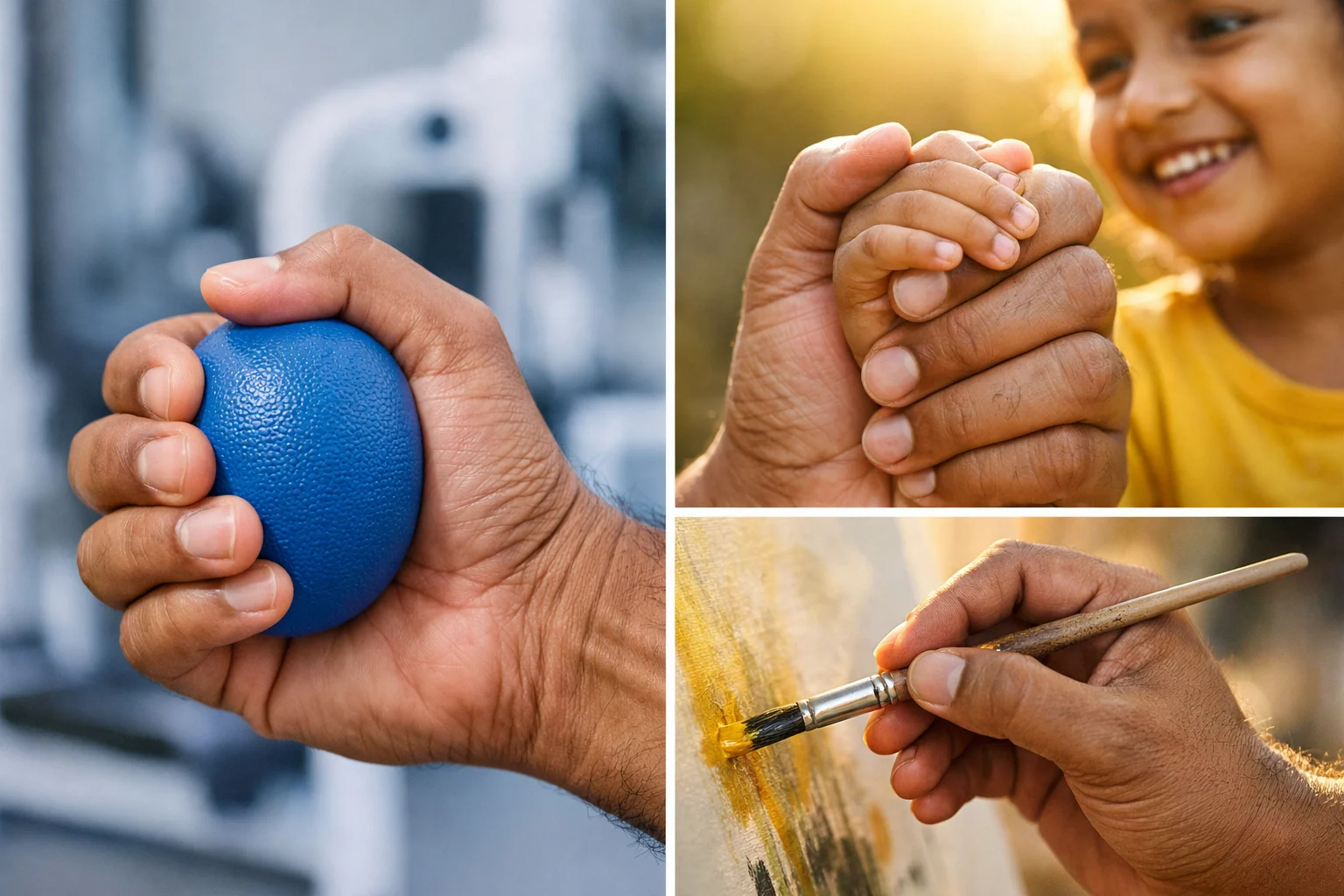
When a person experiences a sudden injury or a chronic health challenge, they often enter a healthcare system that feels cold and mechanical. They are used to seeing a doctor for a diagnosis or a technician for a scan. When they are finally referred to an occupational therapist, they frequently arrive with a sense of confusion. Unlike more common medical roles, the work of an occupational therapist is not always understood by the public. This creates a unique challenge: how do you build a bond of trust with someone who doesn't yet understand how you can help them?
Trust is the foundation of any successful recovery. Without it, a patient might hesitate to try a new technique or feel skeptical about using an adaptive tool. Building this connection requires a blend of professional transparency and genuine human empathy. It starts long before the first handshake and continues through every interaction in the clinic.
The Role of First Level Assurance
In today's environment, the relationship often begins before the patient even enters the office. Many people now look for a first level of assurance online. They want to know who is treating them and what their philosophy is. This is where professional platforms like LinkedIn become invaluable.
When a practitioner shares their insights or success stories on a public profile like LinkedIn, Instagram, Facebook etc., it provides a window into their clinical reasoning. It allows a potential patient to see that the therapist is not just a technician, but a problem solver who values the individual's life goals. Maintaining a professional digital presence is a way to say, "I am here, I am an expert, and I care about the outcomes of my patients." It bridges the gap of the unknown, making the first face to face meeting feel like a continuation of a conversation rather than a cold start.
A Journey of 2,000 Kilometers
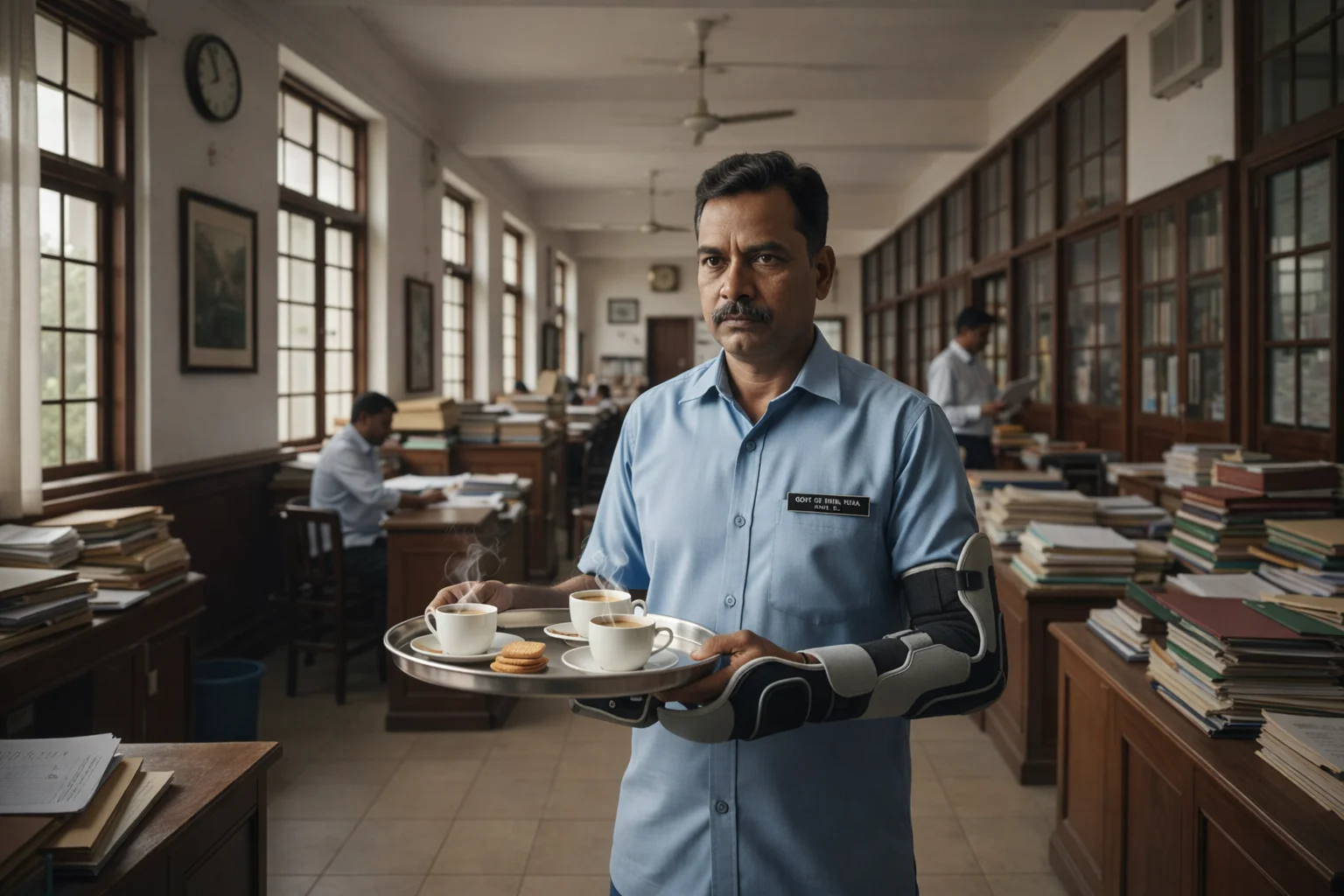
A powerful example of this digital trust involves a government office attender from Odisha who had suffered a severe nerve injury in his arm after a bike accident. This injury, known as a brachial plexus injury, left his left hand essentially non functional. For him, this was a threat to his livelihood. His job required him to hold a tray to serve tea and carry heavy office files between desks. Without the use of that hand, he could not work.
His journey toward recovery began with a search for a first level of assurance. Despite being nearly 2,000 kilometers away, he found a glimmer of hope through professional social media. By looking at the LinkedIn profile of Dr. Shovan Saha, he saw evidence of expertise and a philosophy that resonated with his needs. This digital connection provided the initial trust necessary for him to make the long journey from Bhubaneswar to Manipal. He didn't just travel across the country for a generic consultation; he traveled because he believed he had found someone who understood the intersection of injury and work.
Listening as a Clinical Tool
When the patient finally arrived in Manipal, Dr. Saha didn't just look at the clinical reports of nerve damage. While a standard medical approach might have focused only on measuring muscle strength or electrical signals, Dr. Saha took the time to understand the specific physical requirements of the man's workplace. He realized that the goal wasn't just to move a finger, but to hold a tray.
By acknowledging that the patient's job was the absolute priority, Dr. Saha built an immediate bond of trust. The treatment plan involved creating a custom adaptive device, a small metal piece that allowed the man to stabilize a tray using the strength he still had. Because the focus was on his real life rather than just a textbook exercise, the patient felt seen and supported. That 2,000 kilometer journey was validated not just by a medical device, but by the restoration of his identity as a working professional.
Transparency in the Recovery Process
Building trust also involves being honest about the journey ahead. Patients appreciate knowing the "why" behind a specific activity. If a practitioner asks a patient to practice a certain movement, explaining how that movement directly relates to their goal of, for example, driving a car or cooking a meal, creates buy-in.
Trust is maintained when patients see small, tangible changes. Instead of promising a miracle cure, a therapist builds credibility by setting daily targets. When a patient sees a small improvement in their ability to perform a task every single day, their confidence in the treatment grows. This narrative of change provides the security and confidence the patient needs to keep moving forward.
Creating a Partnership for Independence
The ultimate goal of establishing trust is to move from a provider-patient relationship to a partnership. When a patient trusts their therapist, they become more active in their own recovery. They are more willing to share their frustrations and more likely to celebrate their wins. For the practitioner, this means moving beyond the role of an expert and becoming a guide. For the patient, it means feeling seen and understood. By focusing on meaningful activities and being transparent about the process, occupational therapists can turn a stranger's skepticism into a lifelong bond of professional respect. This connection is what transforms a simple medical intervention into a life changing experience.