When people hear the word therapy, they often picture a clinical room with high tables, anatomical posters, and a practitioner guiding a patient through repetitive stretches or grip-strengthening movements. It is easy to think that the goal is simply to make a stiff joint move again or a weak muscle stronger. While these physical improvements are important, they are only a means to an end. For many people, being able to squeeze a rubber ball a hundred times is meaningless if they still cannot grasp a door handle to let themselves into their own home or hold a pen to sign a document.
Occupational therapy operates on the principle that health is measured by your ability to participate in life. It is a field dedicated to restoring the "occupations" that occupy your time and define who you are. For a child, this might be the work of playing and learning. For an adult, it might be the ability to cook a meal or return to a job. Understanding the difference between a medical exercise and a functional activity is the first step in seeing the true value of this profession.
The Difference Between Movement and Function
It is helpful to think of the body as an instrument and the "occupation" as the music it was meant to play. You can tune a single string, but the job isn't finished until the musician can play a full song. In a medical setting, treatments often focus on fixing the "string", the bone, the nerve, or the muscle. Occupational therapy ensures the person can actually use that instrument to interact with the world again.
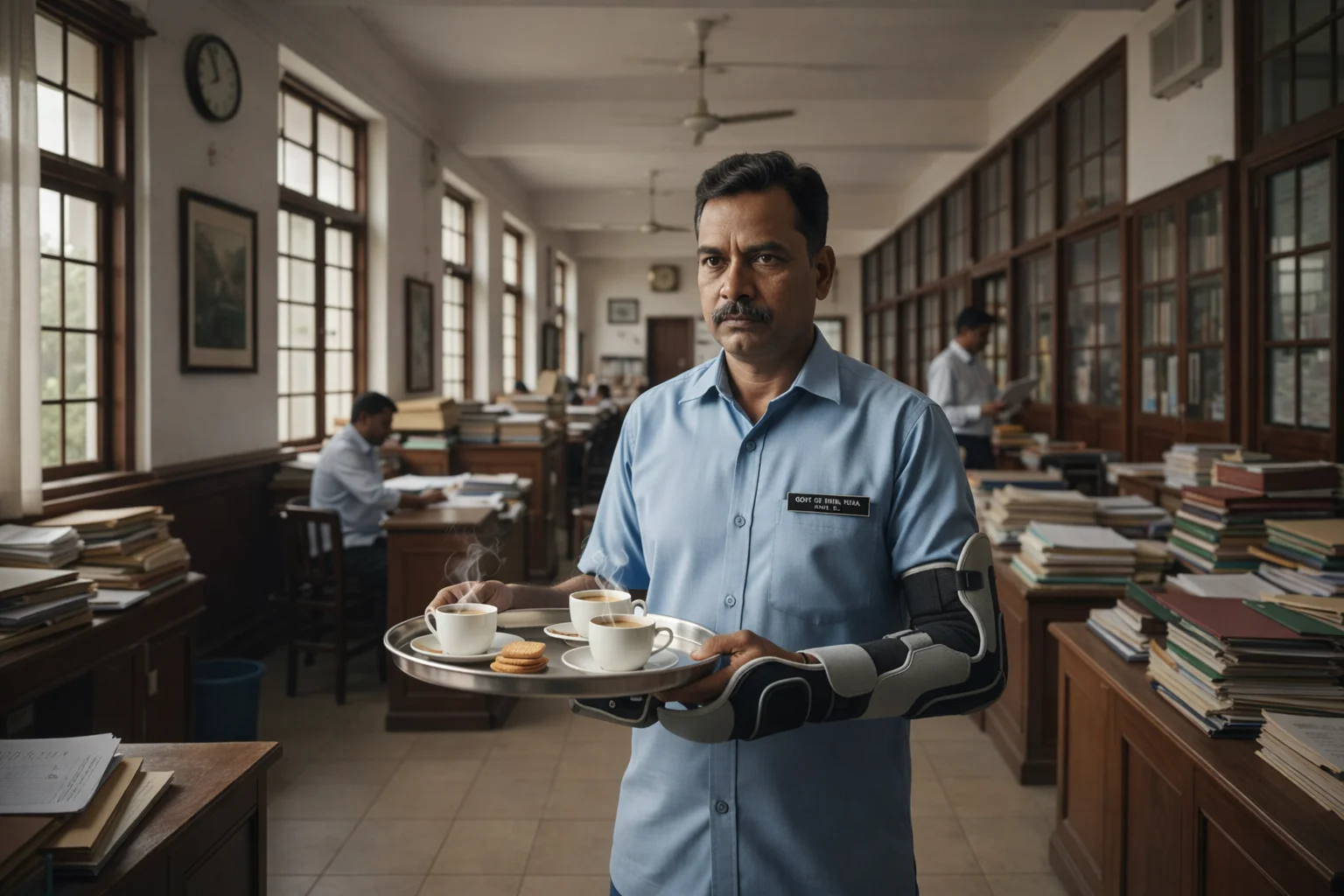
A powerful example of this shift comes from the story of a government office attender who suffered a severe nerve injury in his left arm after a bike accident. From a purely clinical standpoint, he needed strength and better range of motion. However, his livelihood depended on a very specific task. In his office, he had to hold a tray with his left hand to serve tea and coffee, and carry files between various desks.
Standard exercises could help his arm move, but the therapy only became a success when it focused on the mechanics of his actual job. By creating a custom adaptive device that stabilized his grip specifically for that tray, the therapy moved beyond basic movement and directly into employment. He wasn't just moving his arm; he was reclaiming his role in society.
Why the Goal Dictates the Treatment
One of the biggest misconceptions about therapy is that the practitioner is the only one who decides what is important. In high quality occupational therapy, the patient defines what success looks like. This is what makes the approach holistic.
Consider a person recovering from a stroke who is being pushed to practice fine motor skills by picking up small pegs and placing them in a board. To the patient, this can feel like a repetitive, boring chore with no connection to their real life. However, if that same patient expresses that their greatest wish is to be able to garden again, the entire focus changes.
Instead of pegs, the therapist might bring in small pots, soil, and seeds. Now, the act of grasping a trowel or planting a seed serves a dual purpose. It improves hand coordination and strength while simultaneously giving the patient the joy of returning to a beloved hobby. When the movement has a clear, personal purpose, the motivation to work through the difficulty increases significantly. This internal drive often leads to more substantial physical gains than any abstract exercise routine ever could.
Strategies for a Functional Life
Whether you are a caregiver, a medical professional, or someone seeking help, focusing on functional outcomes requires a specific approach:
- Identify the Primary Role: Determine which role has been most affected by the injury or condition. Is it the role of a student, a parent, a worker, or a friend?
- Analyze the Environment: Sometimes the barrier isn't just the body; it is the surroundings. Adjusting a workspace or using a non slip mat can be more effective than weeks of strength training alone.
- Measure Success by Participation: Success shouldn't just be measured by how far a joint can bend. It should be measured by whether the person participated in an activity that made them feel like themselves again.
Restoring the Human Spirit
The ultimate aim of this work is to provide security and confidence. When a person realizes they can still contribute to their family or enjoy a favorite pastime despite a physical challenge, their entire outlook changes. Occupational therapy provides the tools, the adaptations, and the creative problem solving necessary to bridge the gap between "getting better" and "living well." By focusing on the activities that matter most, we ensure that therapy is not just a medical appointment, but a pathway back to a fulfilling life.