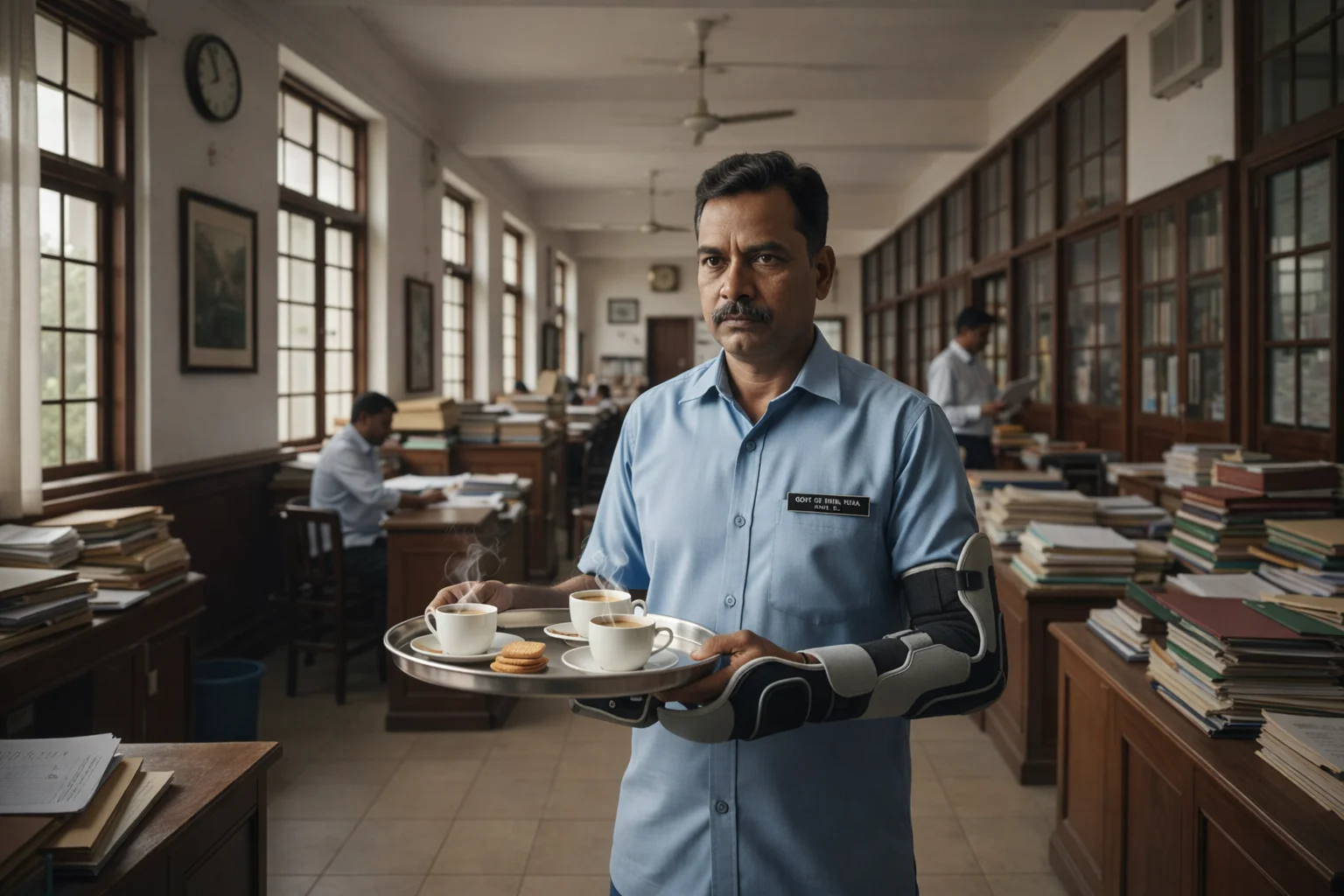
Occupational therapy (OT) is on the verge of a significant transformation in India, as the country and the world shift towards more inclusive healthcare. In this moment of change, occupational therapists are well-positioned to lead this transformation, helping individuals regain independence, improve their quality of life, and participate meaningfully in daily activities.
The Shift Towards Inclusive Healthcare
Inclusive healthcare is a growing trend globally, and it is becoming more prominent in India. Traditionally, healthcare has been focused on treating diseases or conditions, but today, the emphasis is moving toward a more holistic approach—one that includes both physical and mental well-being, and actively involves the patient in the process. This shift is especially important in the context of disabilities, where the focus has moved from merely managing symptoms to enhancing function and participation in daily life.
At the heart of this inclusive approach is the International Classification of Functioning, Disability, and Health (ICF) model. Developed by the World Health Organization (WHO), the ICF model emphasizes the interaction between a person’s health condition and their ability to engage in society. It highlights that disabilities are not just physical, but also deeply tied to environmental and social factors. The ICF framework is widely accepted as a global standard and has been endorsed by 191 WHO member states, becoming a key tool in healthcare systems for assessing functioning and disability.
Why This Moment Is Important for OT Professionals
Occupational therapy is uniquely positioned to play a critical role in this shift towards inclusive healthcare. OT professionals focus on improving functional outcomes by helping individuals perform everyday tasks—tasks that many people take for granted, such as dressing, cooking, or even participating in work and social activities. With the rise of inclusive healthcare, the demand for these types of interventions is growing exponentially.
Moreover, as India’s population ages and the country faces increasing rates of chronic diseases, the role of OT professionals will only become more critical. Many of these conditions, such as arthritis, stroke, or developmental delays, require long-term rehabilitation. OT practitioners have the skills and expertise to help these patients regain their independence, manage symptoms, and live fulfilling lives.
India’s Growing Need for Occupational Therapy
In India, the awareness of occupational therapy is still in its infancy. Many people still don’t fully understand the role that occupational therapists play in healthcare. But this is slowly changing. As more people are exposed to OT, especially through increased social media presence and word-of-mouth from those who have benefited from therapy, the field is gaining traction.
Government initiatives and global movements towards more inclusive policies are contributing to this shift. The Rights of Persons with Disabilities Act, 2016 in India has brought disability rights into sharper focus, aligning India with international frameworks and expanding OT’s role in the healthcare system. As awareness grows, so does the demand for skilled OT professionals, especially in areas such as pediatric OT, geriatrics, and mental health. The rise in early childhood education, with more children diagnosed with developmental disabilities, as well as the increasing numbers of elderly people living with age-related conditions, makes OT services a crucial aspect of India’s healthcare future.
The Role of Occupational Therapists in the Future
OT professionals will need to take on more leadership roles as the profession evolves. With the growing demand for OT services, occupational therapists have the opportunity to shape the future of healthcare in India. They must advocate for the importance of OT in the rehabilitation and healthcare process and educate the public about the ways OT can improve quality of life.
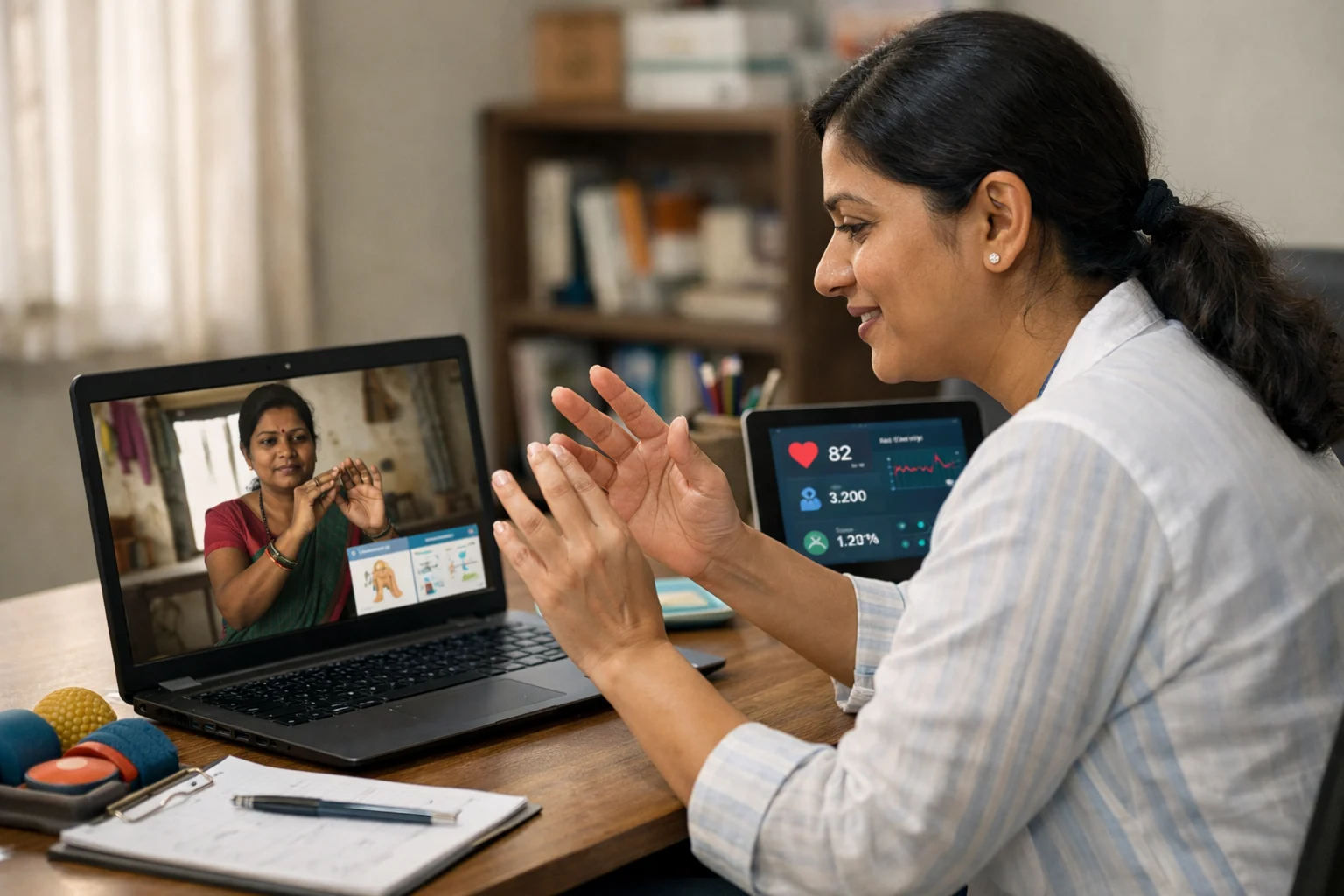
Additionally, OT practitioners will need to embrace technology to enhance their practice. The rise of telehealth and digital tools can provide new opportunities to reach more patients, particularly in rural areas where access to care is limited. By incorporating these technologies into their practice, OT professionals can extend their reach and provide better care to those in need.
Looking Ahead
The future of occupational therapy in India is bright. The profession is at the right moment to expand its reach and impact, driven by global trends in inclusive healthcare, a growing recognition of OT’s role in improving functional outcomes, and an increasing demand for services in India. As OT professionals continue to adapt to these changes, they will have a major role to play in shaping the future of healthcare in India.
By embracing the opportunities ahead and positioning themselves as leaders in this movement, OT professionals will not only advance the profession but also make a lasting difference in the lives of their patients.
References:
- World Health Organization (WHO) – International Classification of Functioning, Disability and Health: WHO ICF Model
- NIH – Using the ICF Framework in Rehabilitation: NIH Article
- Rights of Persons with Disabilities Act, 2016: Wikipedia